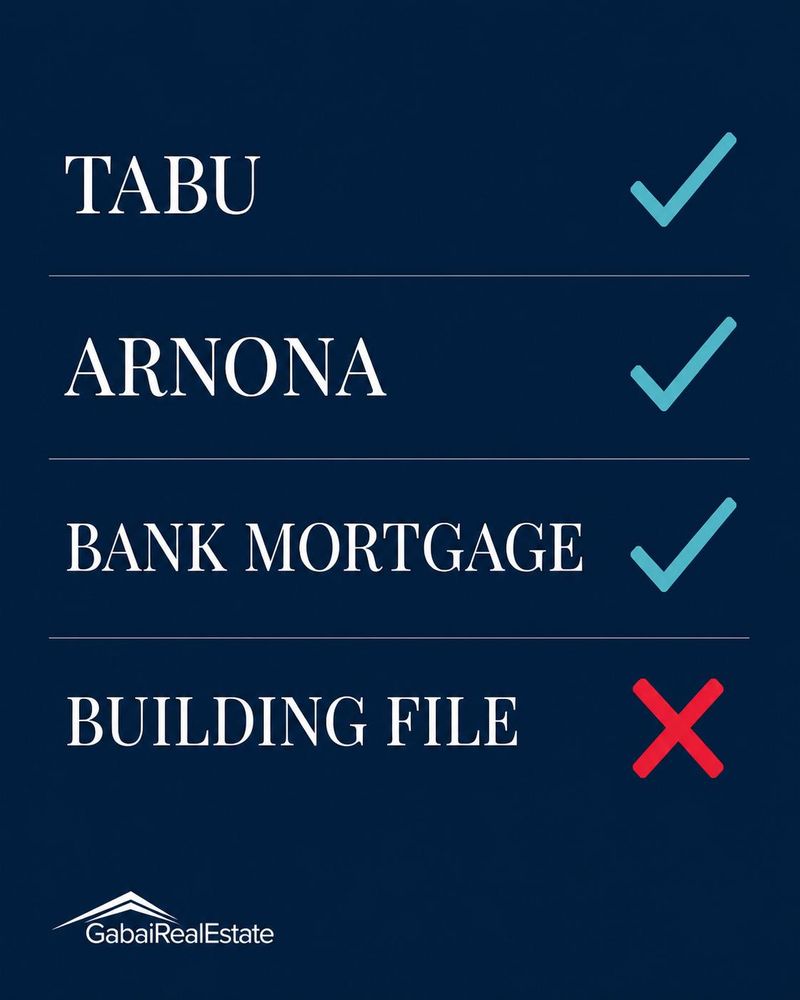

Should you buy (Church) leased land in Jerusalem? Find out!
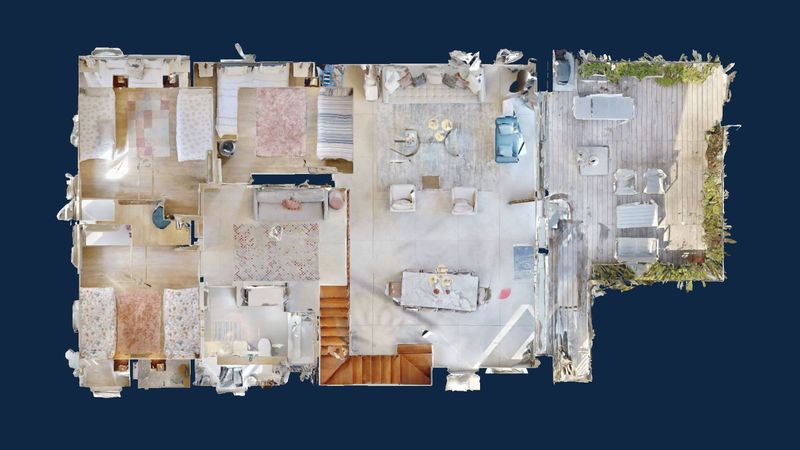
A dream home in every way. Floor to ceiling windows overlook the most breathtaking views of the rolling hills of Judea. The spacious yard serves as both an oasis of serenity and the perfect venue for neighborhood pool parties. Architecturally designed to make for comfortable living with spacious bedrooms, multiple master en suits and a fabulous kitchen with plenty of workspace. Custom made smoothed concrete flooring, real wood finishes and creative use of space, always considering the abundance of air & natural light; makes this one of the most aesthetically pleasing properties we have ever had the pleasure of representing. There are a total of 8 bedrooms and 6.5 bathrooms including the 2 bedrooms / 2 bathroom basement apartment. A near perfect home in possibly the most sought after neighborhood in Efrat. Dekel Ma’arav is a warm, welcoming community with a diverse population of families, who seek out a high quality of life in this picturesque suburb of .
The Consumer Financial Protection Bureau announced on Wednesday a proposal to delay the effective date of the TILA-RESPA Integrated Disclosure rule until Oct. 1.
There is a new minister of finance in Israel and his name is Moshe Kahlon.
His ability to capitalize on the cellular reforms associated with his previous office, that has seemingly dissipated the monopolies in the industry and reduced all of our cellphone bills to a fraction of what they used to be, just about guaranteed his appointment as finance minister.
Let’s see what he does to lower housing prices.
In Professor Plesner’s article, ‘There in no Real Estate Price Bubble’, The real issue of whether the prices of real estate in Israel today are based on a stable market or not, is poignantly raised and answered. I found this article to be very informative. Plesner dissects the topic in an objective and most scientific manner. Below is a translation of that article in English. Enjoy!
There is no speculative building in Israel, the prices of rent are not unrelated to the price of the apartments and it is just as hard to purchase an apartment in 2013 as it used to be. The former deputy governor of the Bank of Israel proves that the prices of apartments are based on a solid economic foundation.
The matter of housing is still in the top headlines, and with reason. When people in their late twenties and even in their early thirties are living with their parents, there is a problem. However, there is a problem with the problem: the problem of identifying the nature of the first problem. We will deal with both of them here, and also discuss somewhat the connection between all this and the Bank of Israel.
Purchase tax along with other costs must be taken into consideration when purchasing a property in Israel. This is especially in light of amendment 75 of the Law of Real Estate Tax beginning on the sixth of May 2013 and continuing until the 31st of December 2014. This amendment affects most real estate purchases, especially for foreign buyers and on luxurious properties (over NIS 4,500,000). Purchase tax is based on a linear scale that corresponds with the purchase price. The tax varies greatly from Israeli residents who currently do not own a property to those purchasing a second home. Foreign buyers are in the same purchase tax bracket as those purchasing a second property, even if they are only purchasing their first apartment. Below is the purchase tax bracket applicable until 31/12/2014
Looking for a small investment property in the heart of the city? That search will prove increasingly more difficult starting this month.
The betterment tax exemption which has already been extended from March is now over. The exemption was for the most part a feeble attempt by the state of Israel to lower prices on investment properties. Betterment tax is a tax on capital gained from selling real estate.
Often I am asked whether this is a buyer’s or a seller’s market? My answer usually depends on whether or not the person asking me is interested in buying or selling.
Beyond my personal interests as a real estate agent, the answer really is both. The market in central Jerusalem thus far has been fairly unpredictable. Compared to the years of buyers grabbing virtually every apartment for sale, now there seem to be numerous apartments that are just sitting on the market for long periods of time. Many buyers used to complain that there aren’t any apartments for sale. Now that there are apartments on the market buyers complain there are no “good” apartments for sale. Well, what is a “good” apartment? According to the vast majority of buyers today, a good apartment is one with ‘few to no steps, spacious, a Succah balcony or garden, a nice building, parking, and of course a “metziah” or at least a “fair price”.
“What is Church land?” I am constantly asked this question by Israeli and foreign buyers alike when telling them about a beautiful, often expensive, property in the most prestigious neighborhoods in Jerusalem. Many of those who have heard of Church land proclaim “ no Church land!” when listing their criteria for buying an apartment in Jerusalem. Which brings us back to the question – What is Church land?
Church land refers to property on land owned by a number of various Churches who have a physical presence in Israel. These Churches began purchasing land in Israel as early as 100-200 A.D. It is said that sixty percent of Church land in Israel is owned by the Greek Orthodox Church (which interestingly enough only makes up about eight percent of the Christian population in the world).